October 21, 2026
Every article we have published, newest first. Each one explains the reasoning behind a recommendation rather than scoring a product, so it stays useful when a model is discontinued.
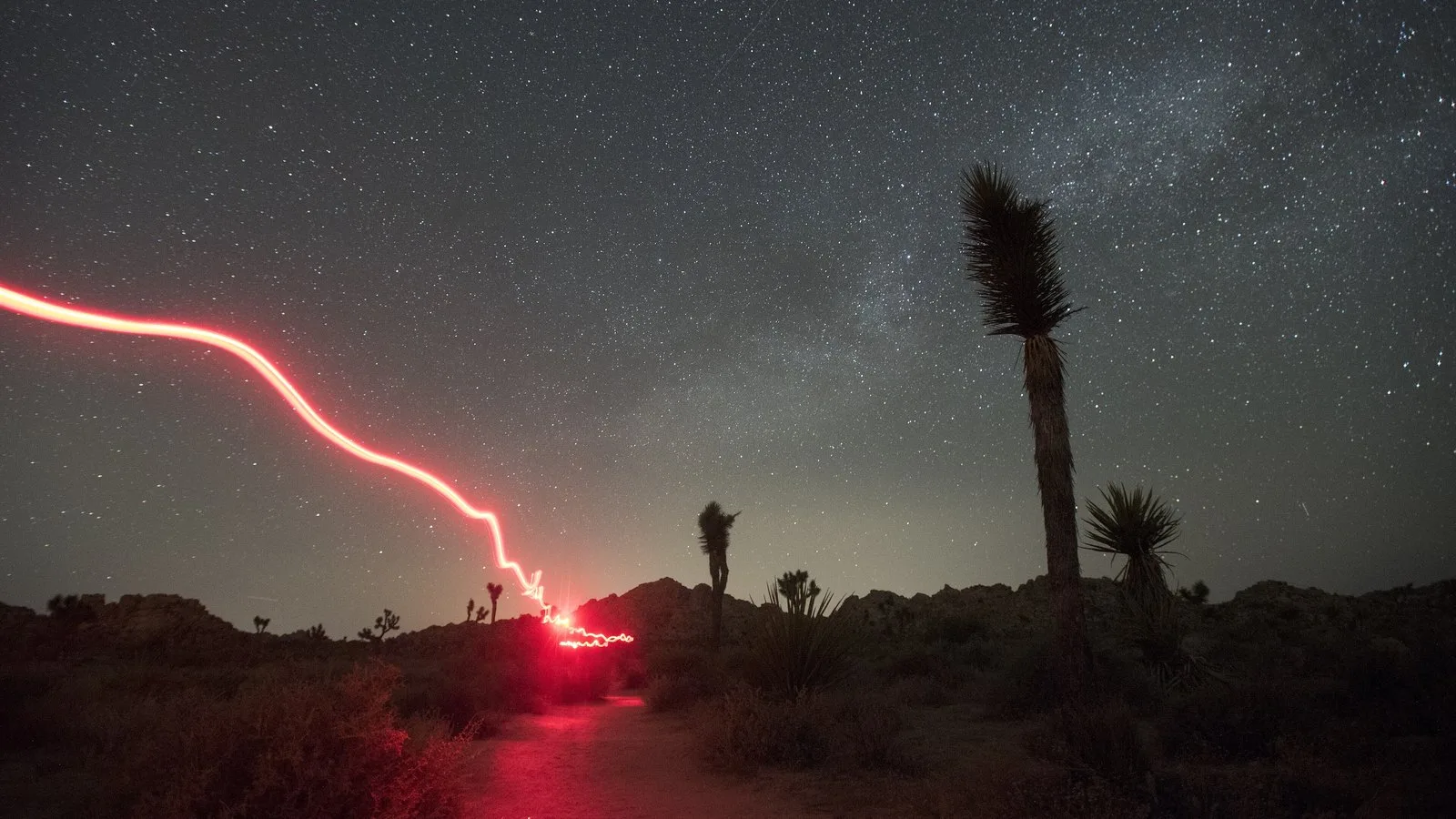
Autumn walks end in the dark more often than planned. How to read a head torch spec, choose batteries for the cold and plan the day around the light you actually have.
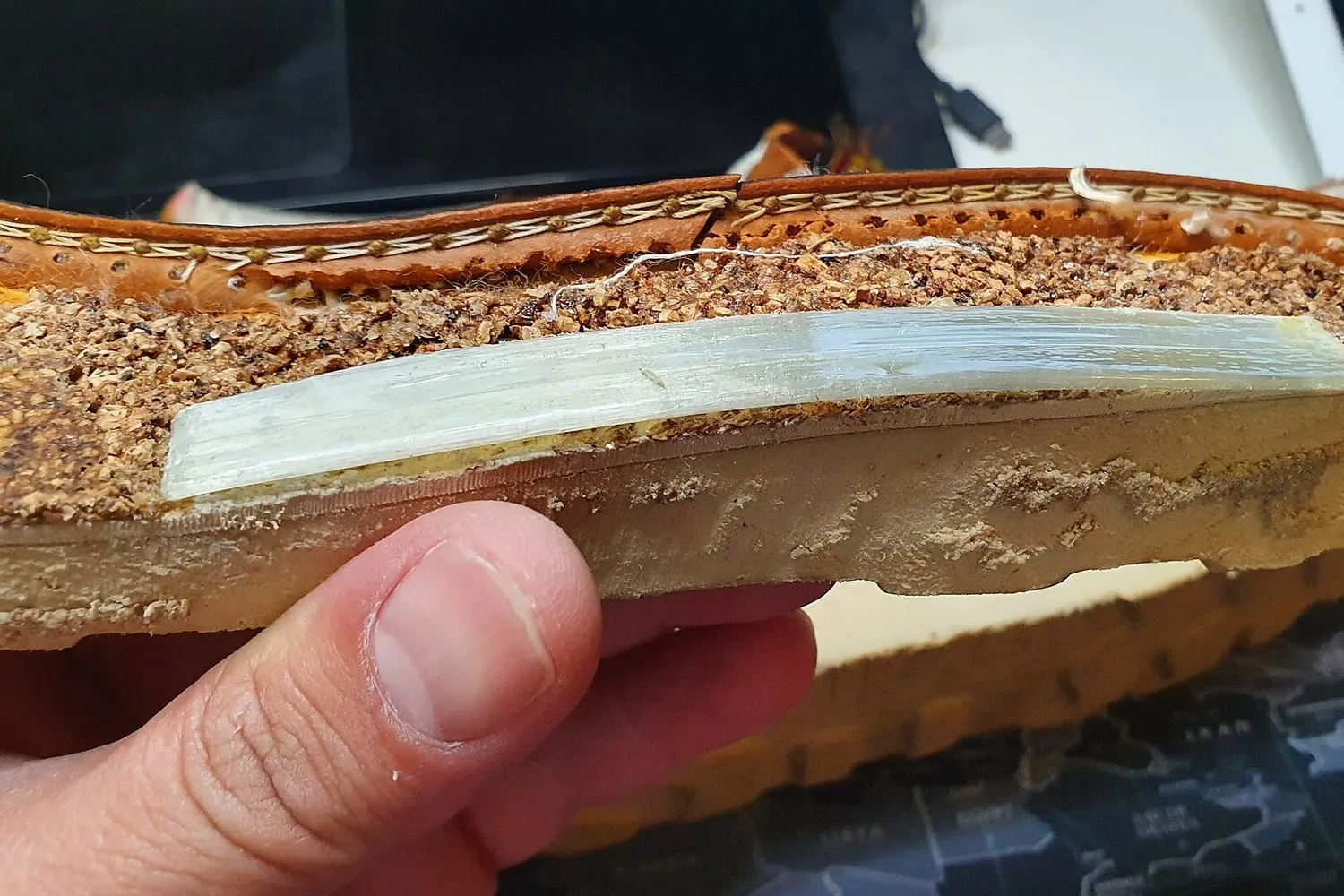
By the time boots need resoling they fit you. Construction and the midsole decide if a repair makes sense; here's the repair-or-replace test.

A waterproof shell fails in a predictable order, and the first two failures are fixable in a washing machine. Many "dead" jackets aren't dead.
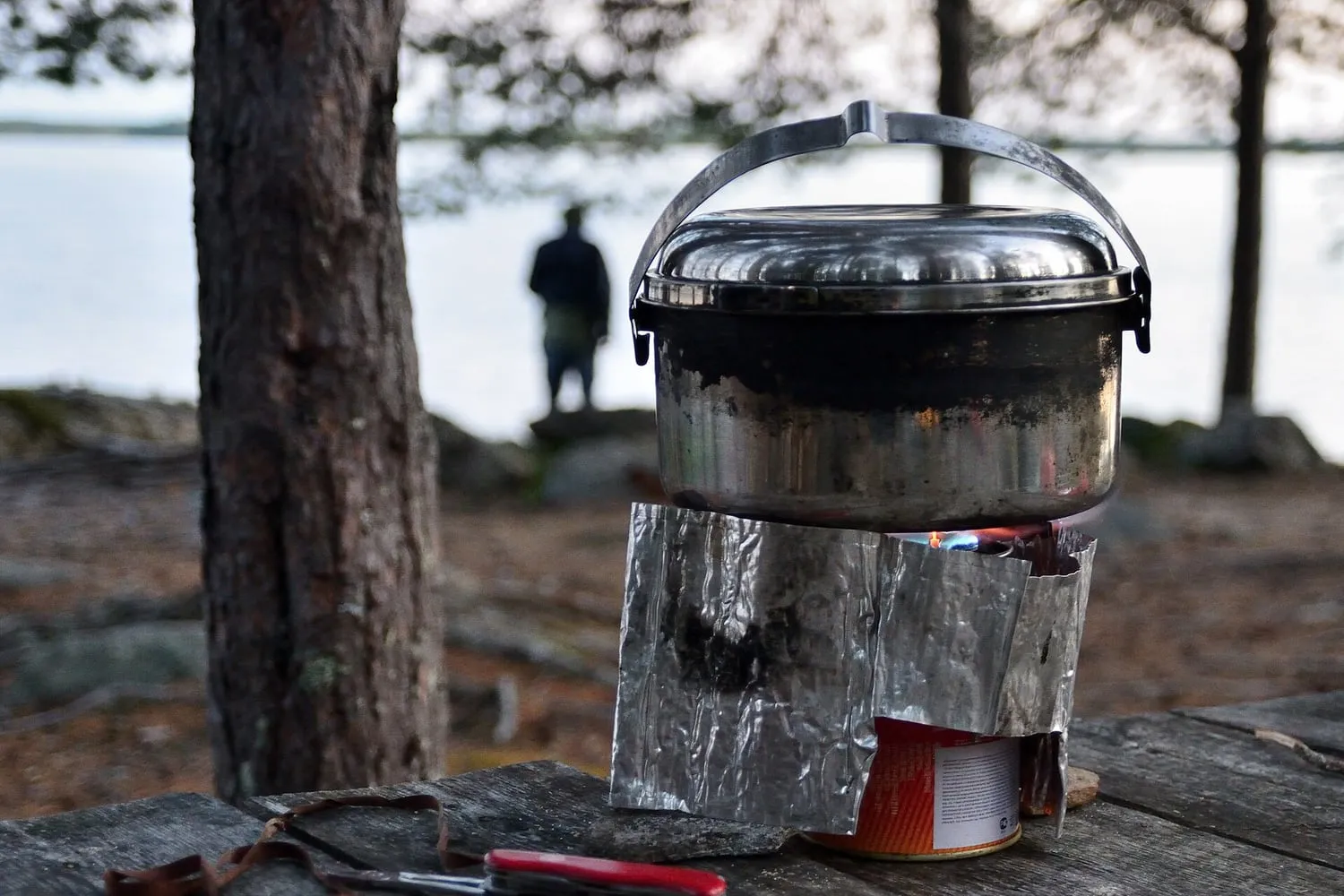
Fuel, pot, lid, wind and canister temperature decide how fast water boils; the burner matters least. Read a cooking system as a chain.
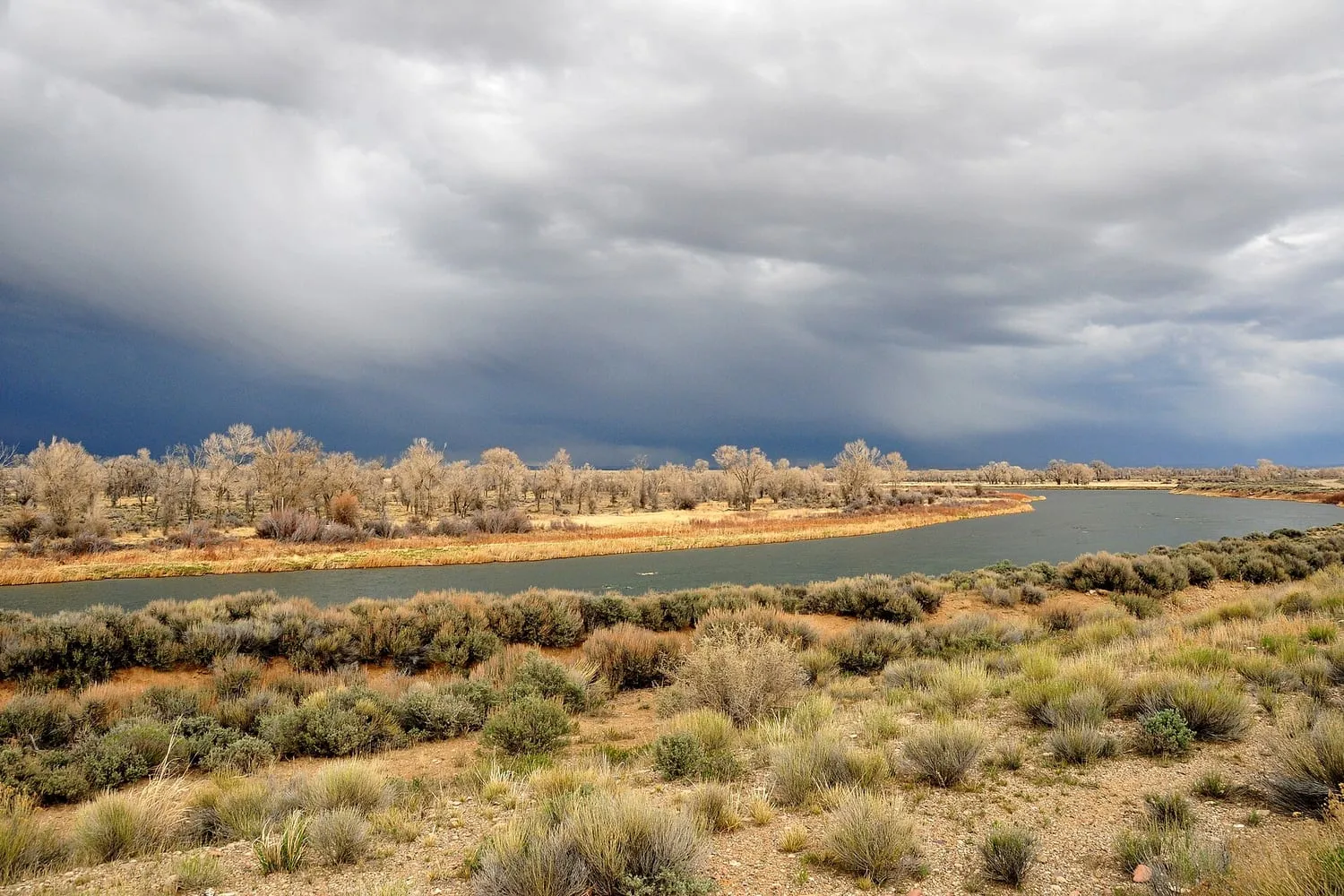
Wetness, wind, temperature, duration and terrain decide what gear suits a day; brand and price only decide how much you pay for the right answer.

Upland water is usually clean, which is probability, not safety. Filters, tablets, UV and boiling remove different things; pick by the day.
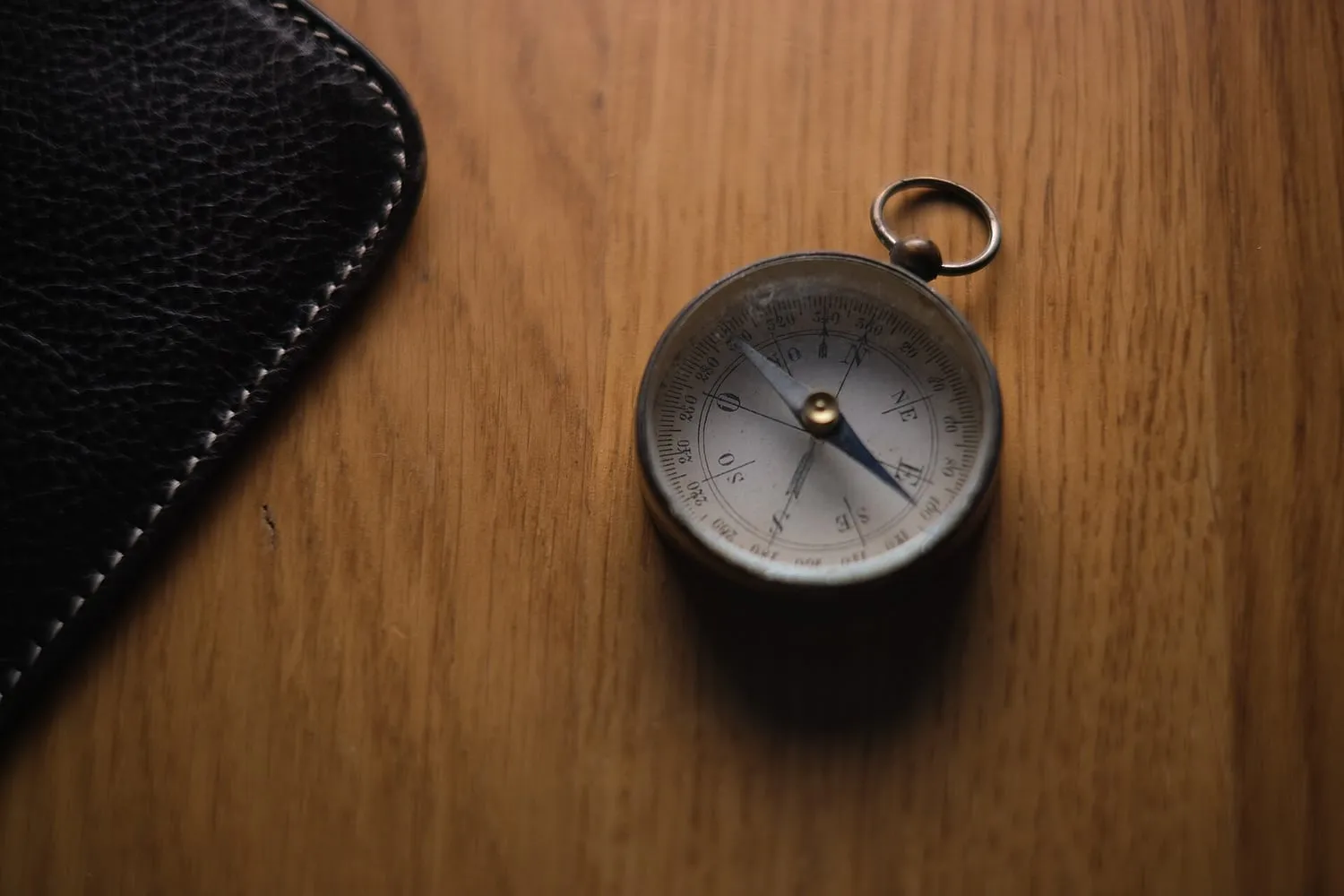
A phone with offline maps is a better instrument than paper until the battery, the cold or the rain wins. Pick the backup by how the phone fails.
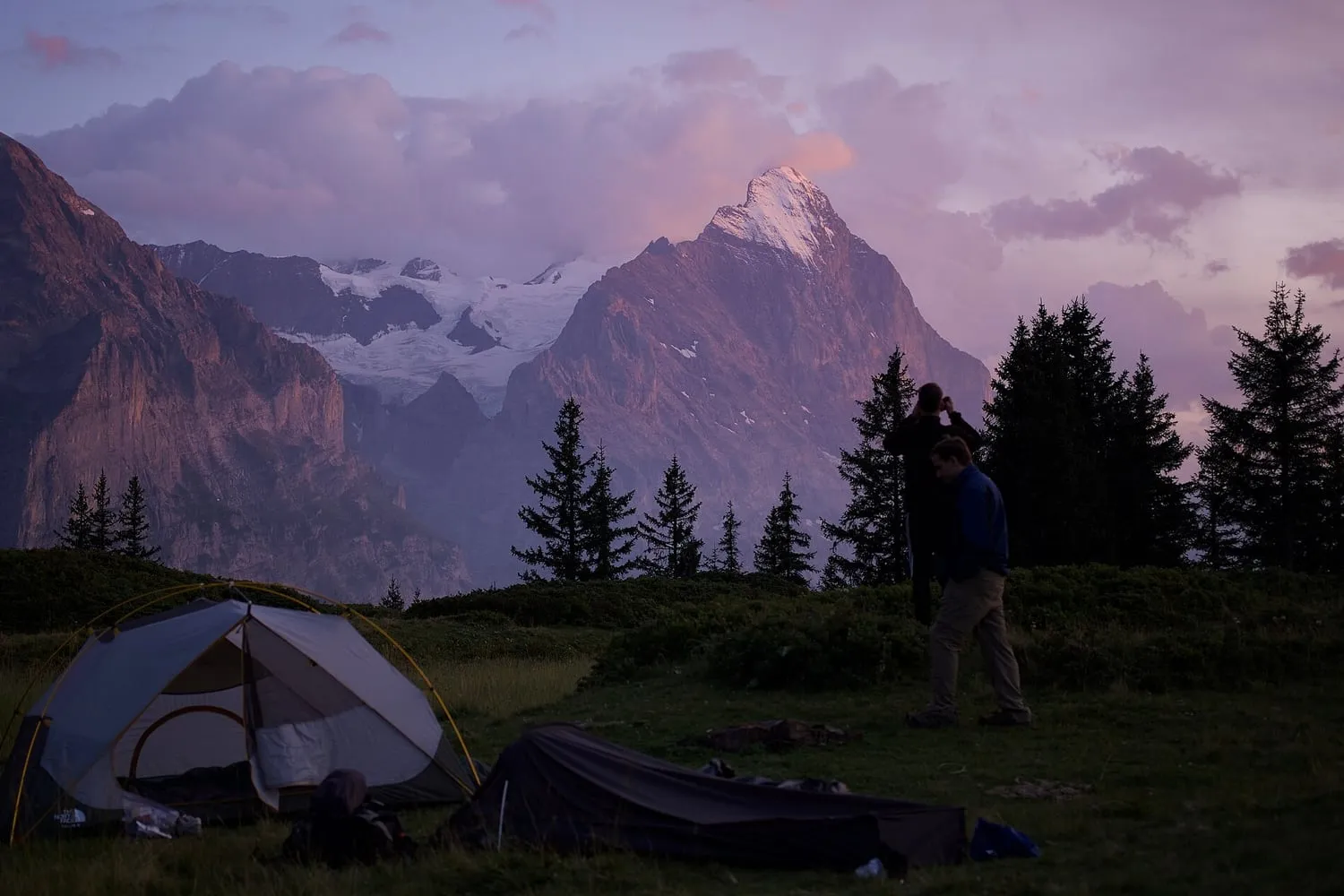
A tent has to keep weather out and let your own moisture escape. Most are bought for the first job and judged in the morning on the second.
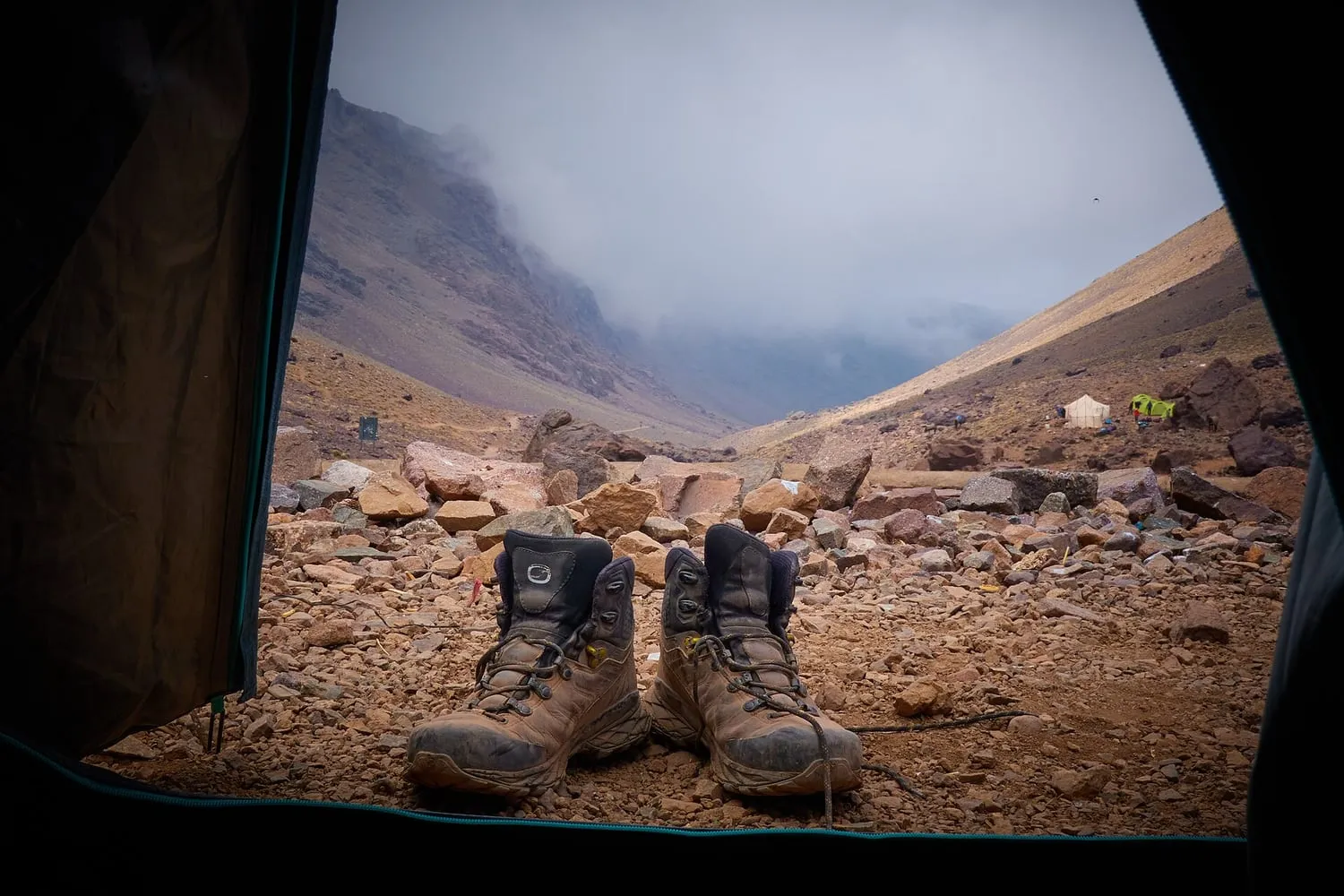
Blisters come from shear, made worse by moisture and heat. The right sock acts on all three, but only if it fits the boot.
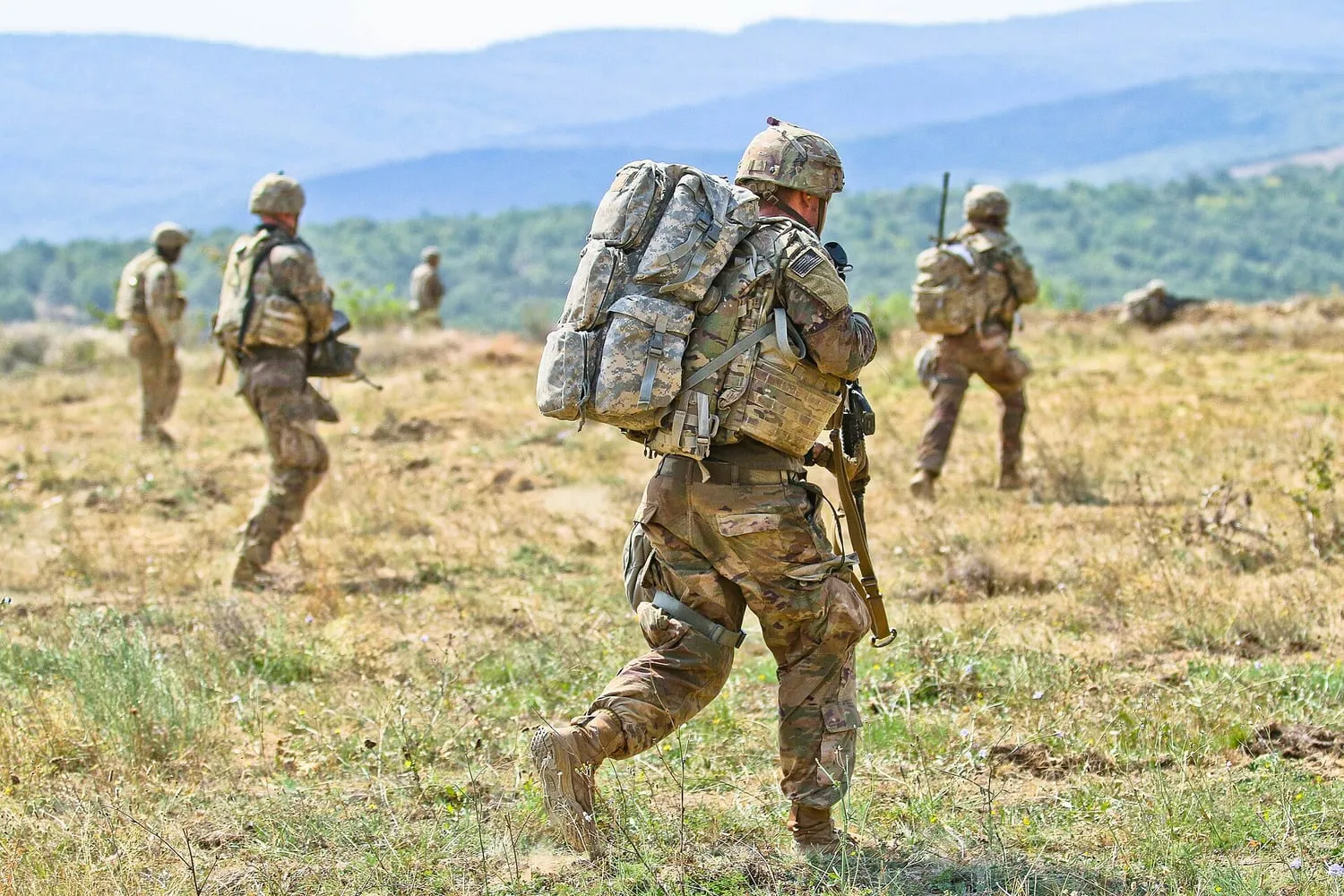
Capacity says very little about how a pack will carry. Torso length, the harness and how the load sits on your hips decide that.
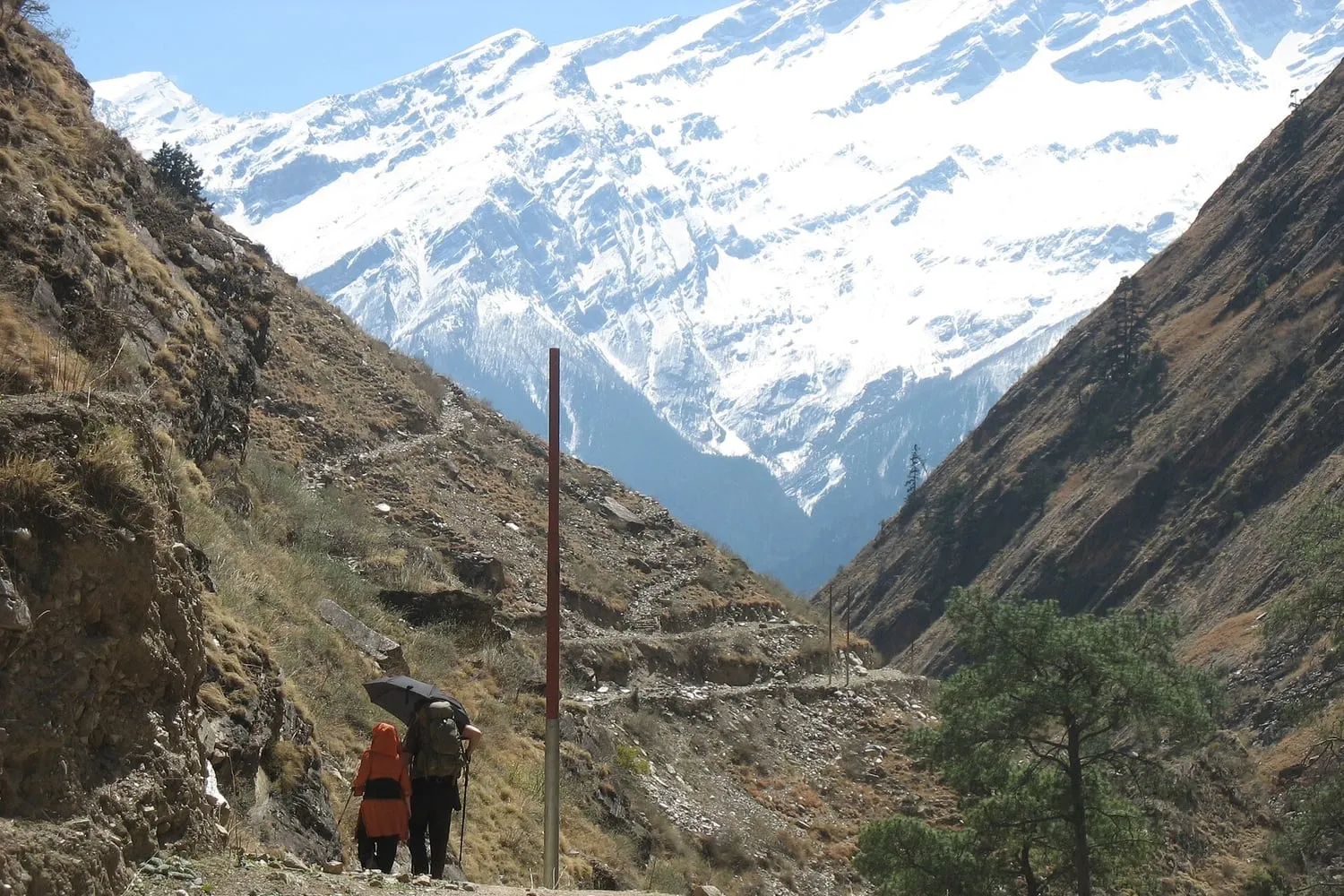
The length that helps on a climb hinders on a descent. How to set trekking poles, use the straps properly and keep locks and tips working.
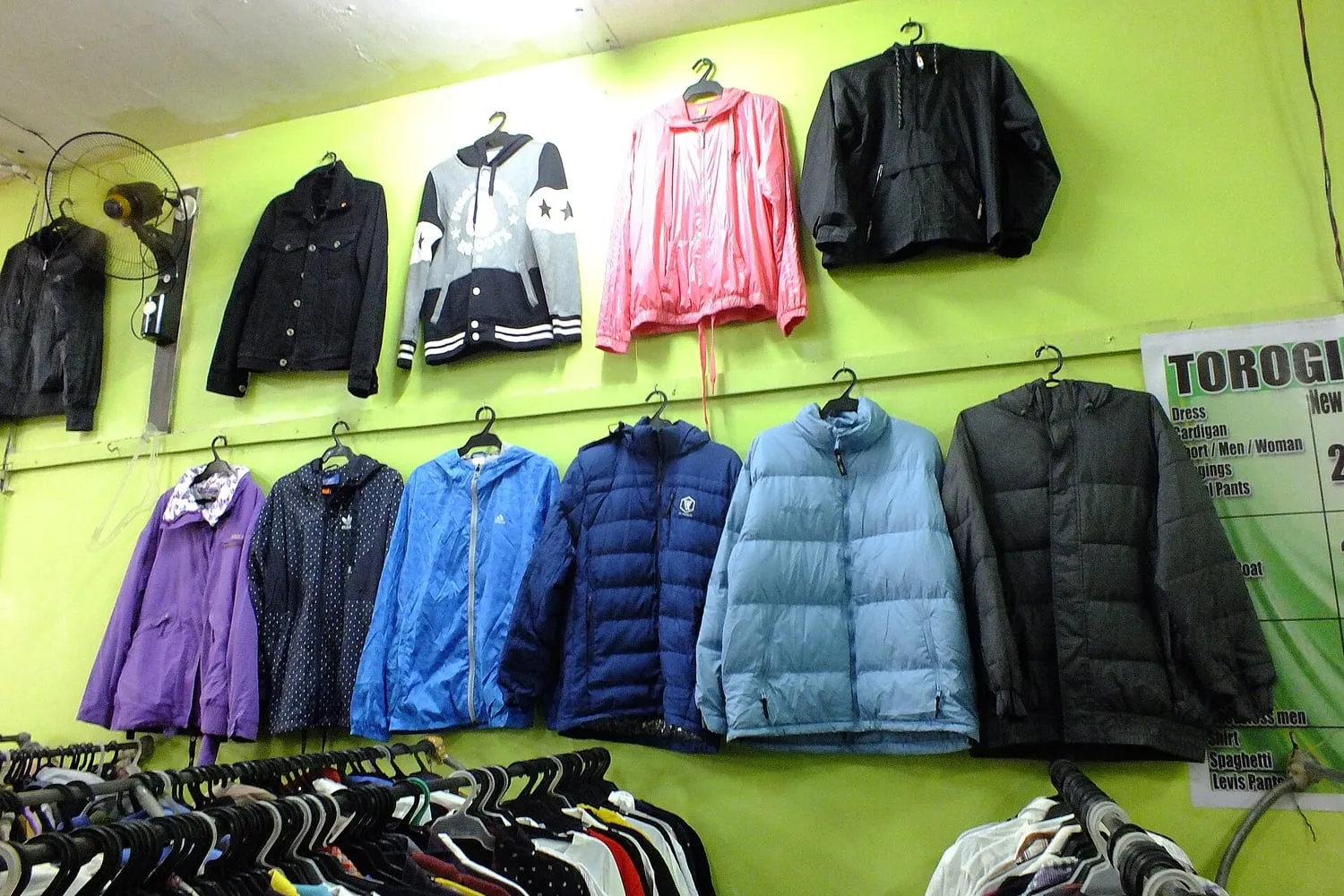
Wet clothing, wind and stopping when hot are the real problems on a hill day. Layering is how you manage all three without stopping for long.
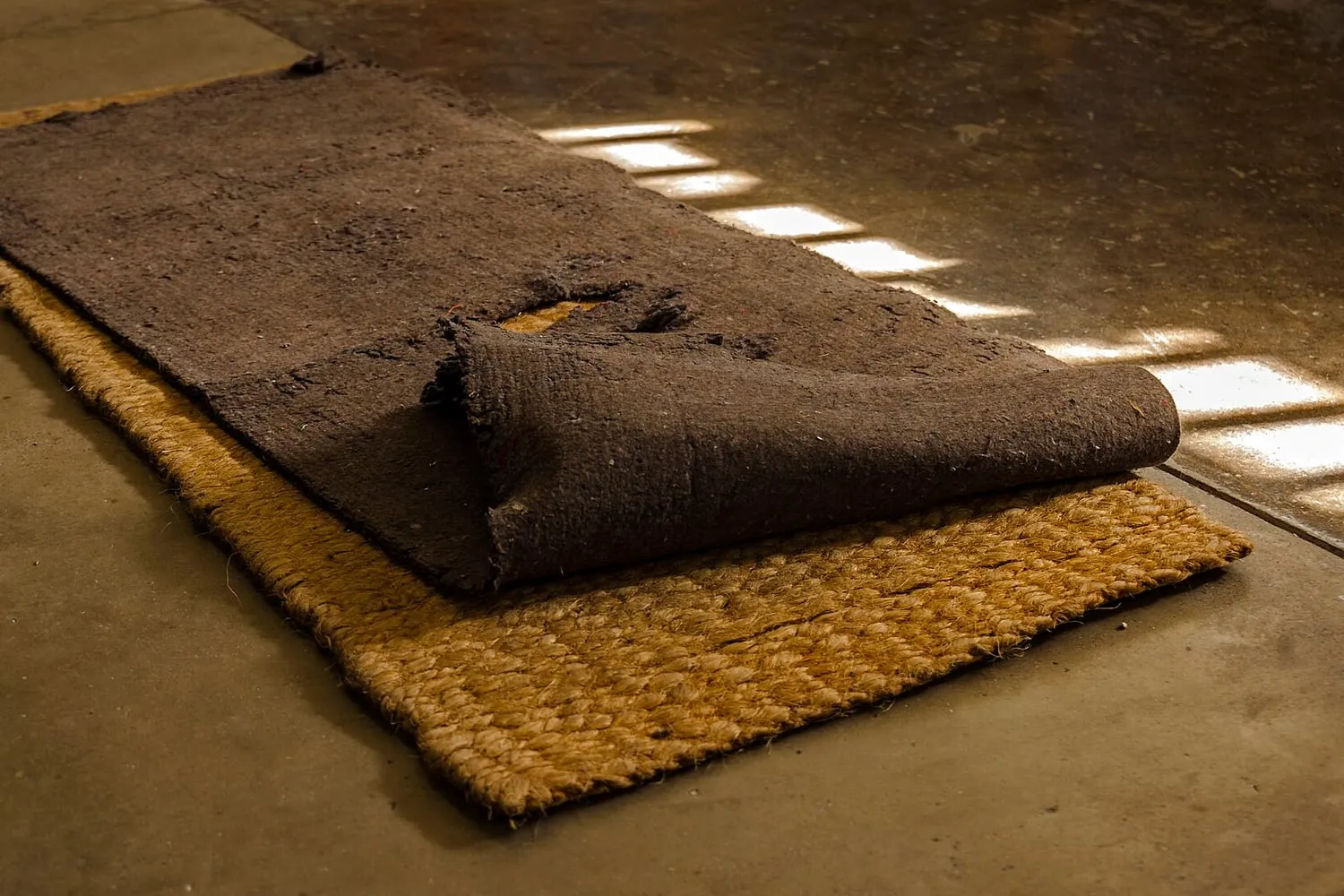
The ground draws heat out faster than the air does. A sleeping pad is half the sleep system, and its R-value matters more than the bag's rating.

Waterproof and breathable pull in opposite directions, and the tag figures are the part that matters least. Venting and construction matter most.
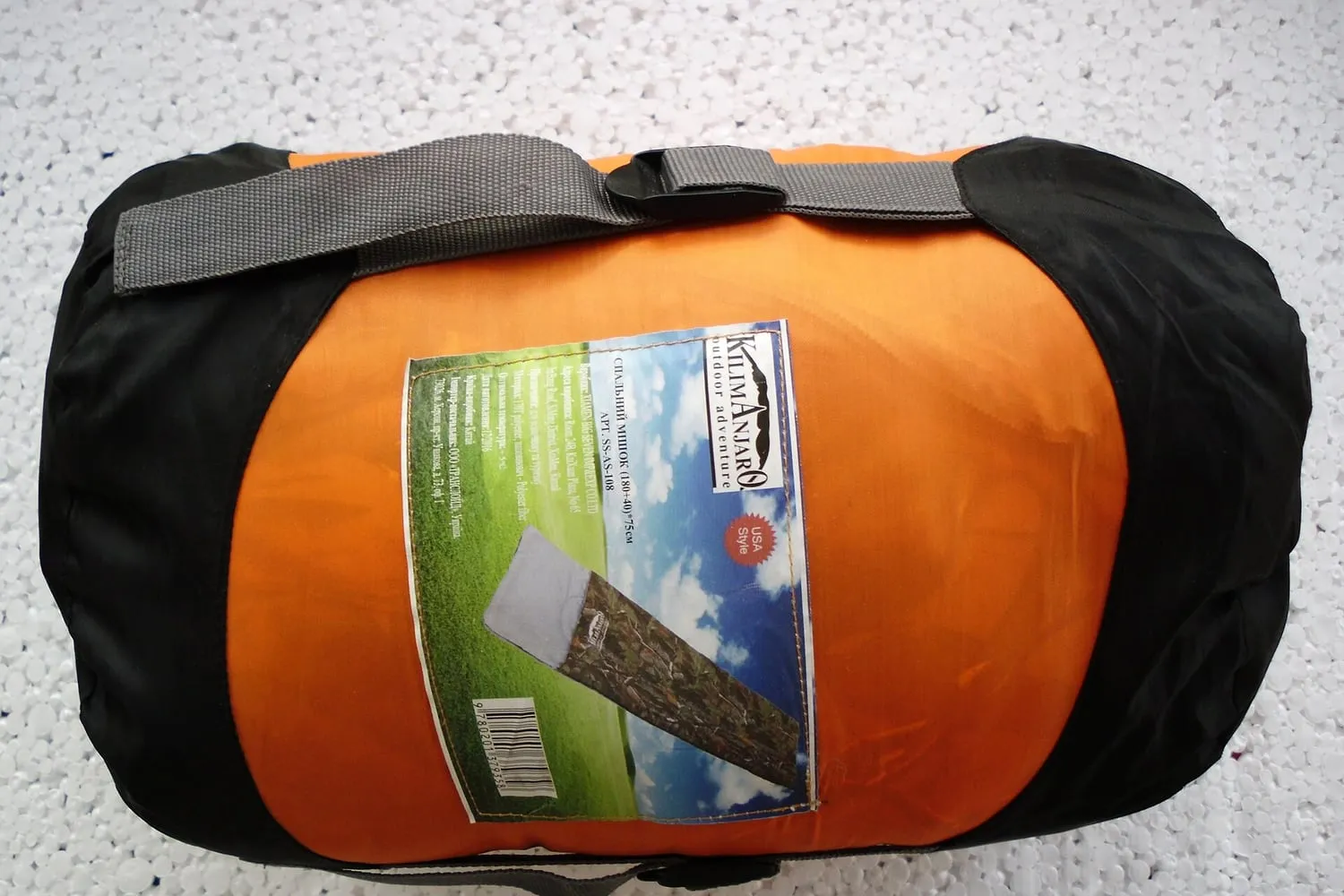
The temperature on a sleeping bag is a lab comparison, not a promise. Read comfort first, ignore extreme, and count the mat as part of the bag.
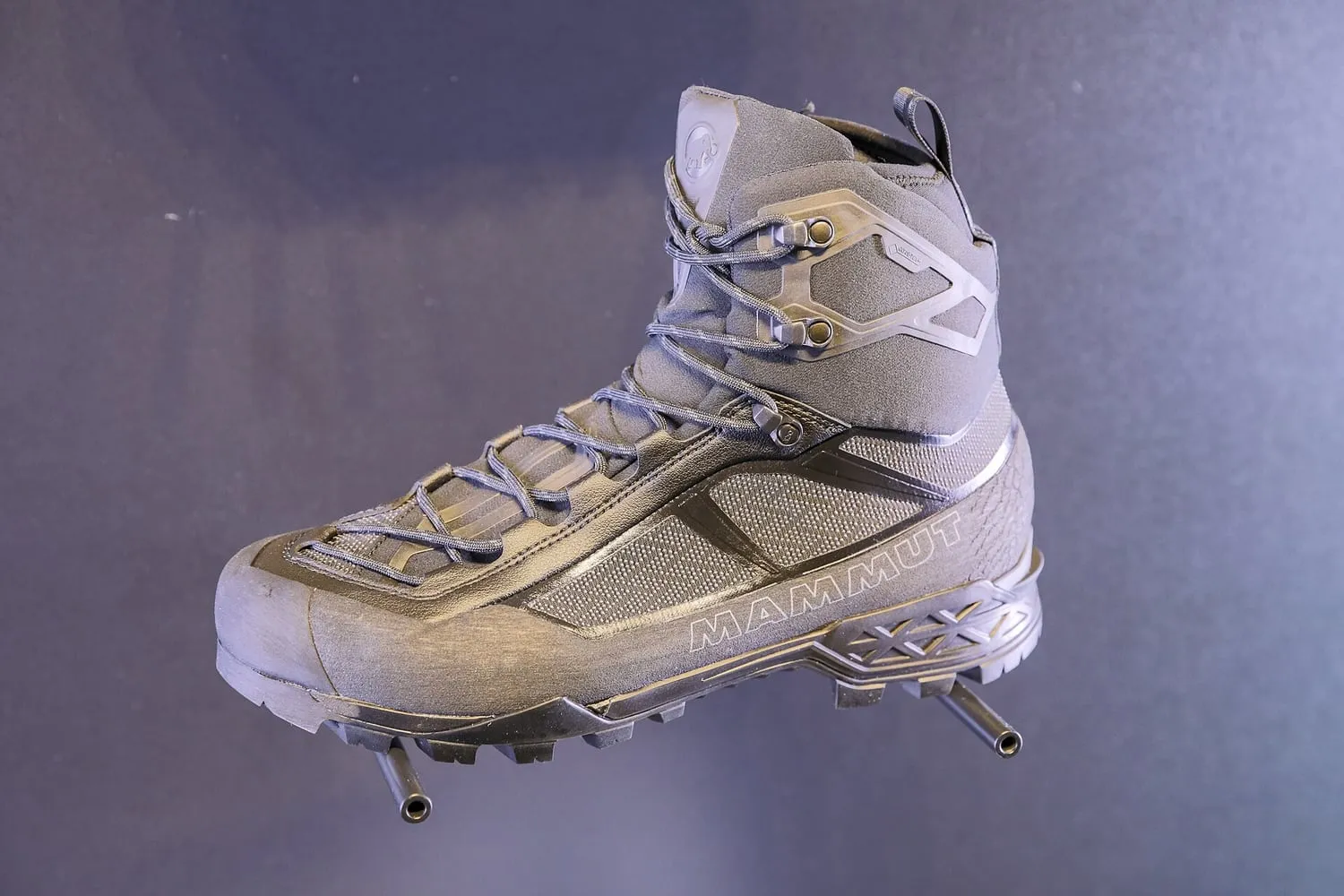
Pack weight, ground and how wet your feet will get decide between boots and trail shoes. Neither is a rank; they solve different problems.